Designing systems for the agentic era.
What happens when you design for the world?
Adobe's international business runs across 34 languages and 63 markets. It needs close to 40,000 assets a quarter, mostly lower-funnel work that only converts if it feels local. The old answer was bespoke artwork for every market and channel, and it couldn't keep pace.
Agentic design: meeting today’s content needs.
Production stops being the bottleneck. Automation, templates and generative tools can make the volume. But an agent can only assemble from what it can find. Give it flat files, US-centric imagery and brand rules written as a PDF, and it will produce more of the wrong thing, faster.
The challenge is no longer how to make more. It's how to build a brand that people, workflows and models can all assemble, and that still feels made for whoever is looking at it.
Brand as DNA.
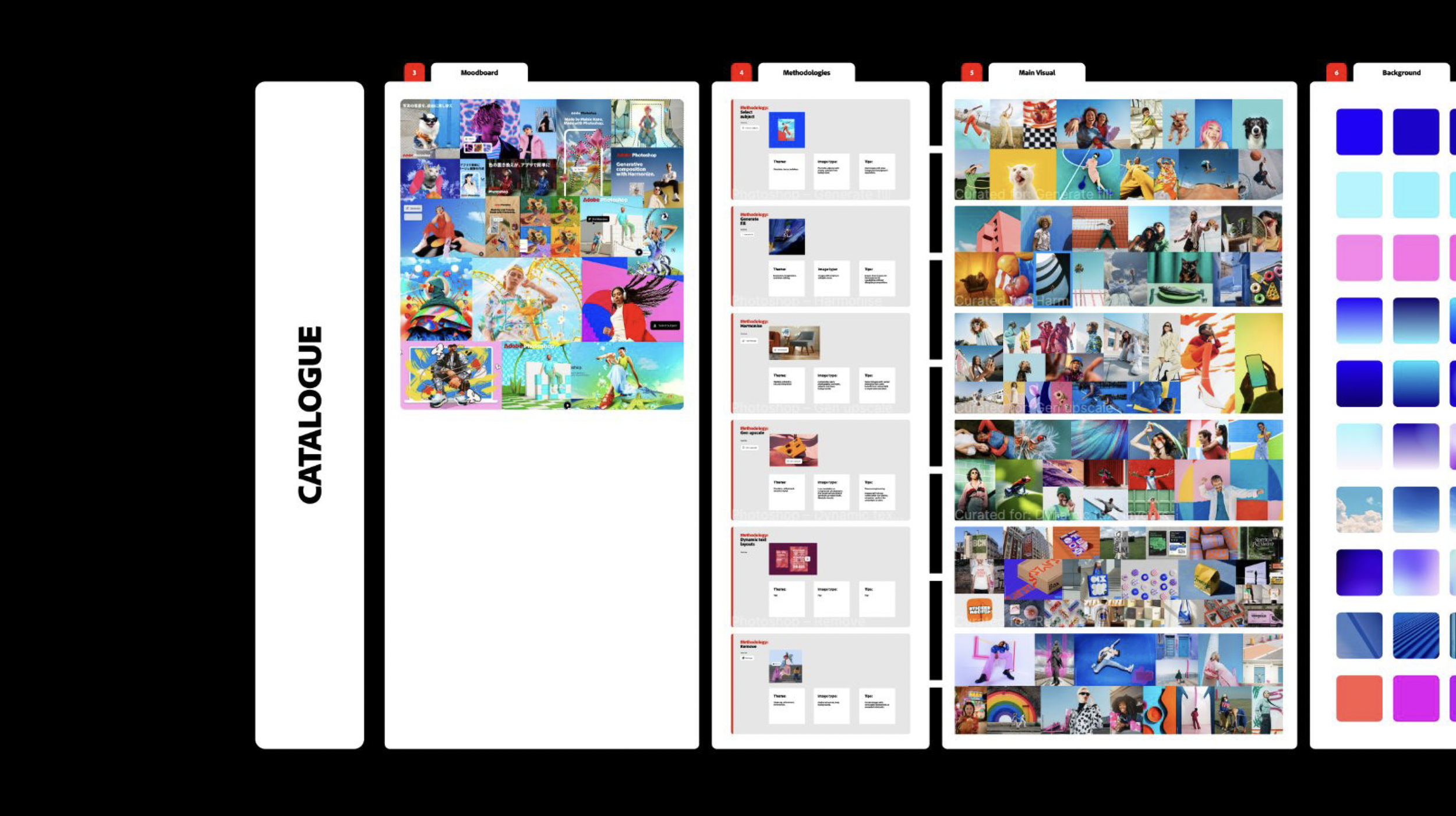
We stopped treating the brand as a set of finished assets.
Creative teams define the fixed layer. Instead of one-off artwork for every market and channel, we broke the brand into reusable components: key visuals, backgrounds, device containers, UI expression, templates. Fixed where the product demands it. Flexible where culture does.
The result is a brand that can be assembled by a designer, an automation workflow or an AI model, and still look like it came from one hand.
1,689 assets. 2,500+ reusable components. 7x faster campaign creation. 2.3x the value per asset of the wider average.
Enabling humans to evolve the brand.
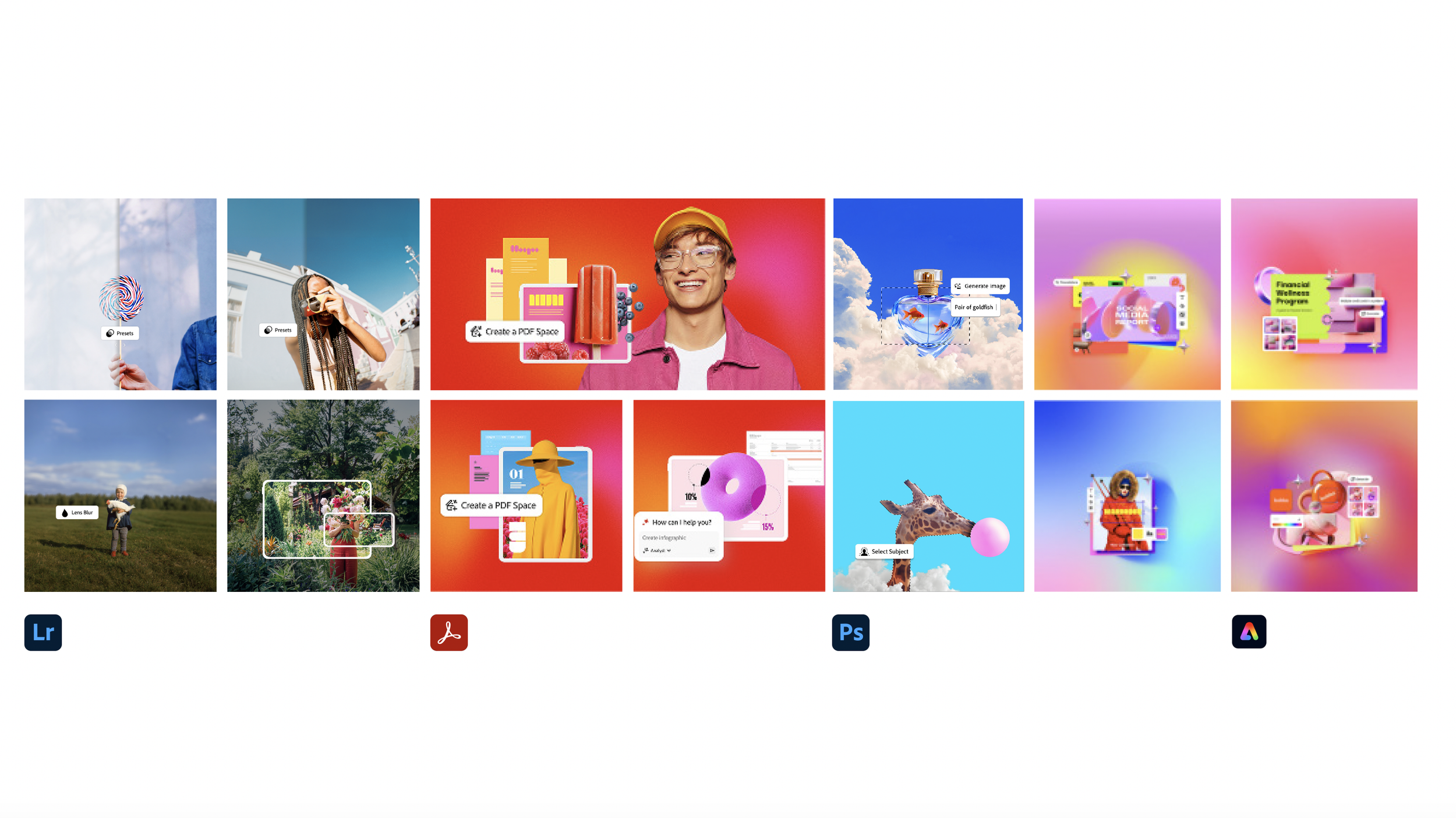
Once an artwork is validated by the design team, it moves straight into GenStudio for Performance Marketing, where marketing teams all over the company plan and optimize campaigns. They find already approved components, adapt it and ship it, in minutes rather than weeks.
And every asset can be tracked through every step, so we see what performs and feed it back into what gets built next.
Teaching the brand to machines.
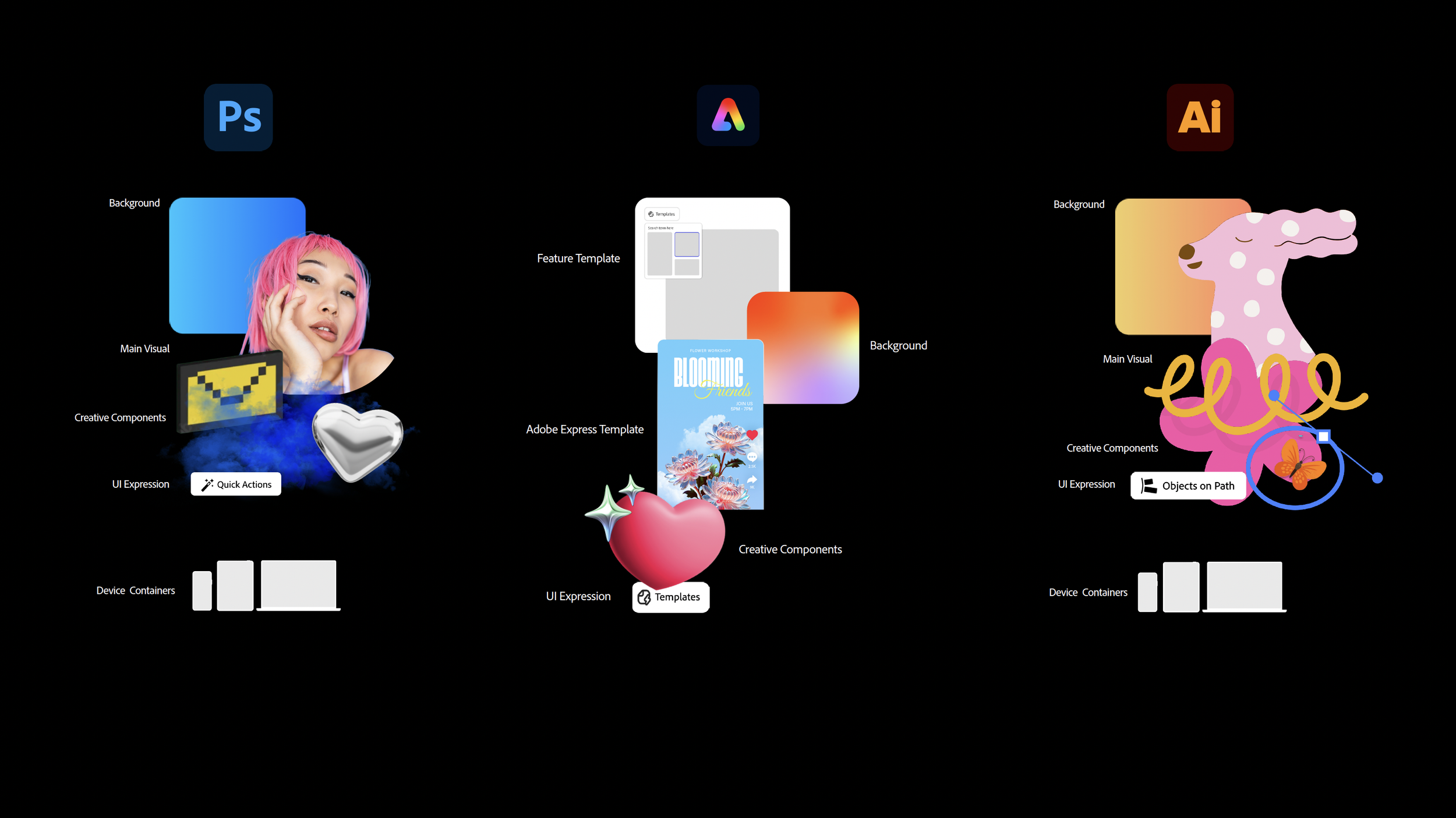
Adobe Brand Intelligence brings guidelines, design systems, creative assets, human feedback and approvals into one structured format that can steer brand decisions inside agentic workflows. The Artwork Library supplies the visual half of that knowledge: not just what the brand says, but what it looks like when it's built right.
The same components train Firefly Custom Models, so generated variations start from the brand's own language rather than a generic internet aesthetic. The library stops being a folder and becomes the source other tools learn from.
And this is where the design team's role grows most. Designers are the authors and controllers of the system. Every component, art direction rule and quality gate is a piece of taste made reusable. They decide what goes in, what stays fixed and what gets retired, then direct the outputs instead of redrawing them.